Recycling is one of the great success stories of modern environmental policy.
Yet not all waste should be recycled.
How can these two ideas be true?
Well, modern economies produce certain hazardous materials that are simply too contaminated, too persistent or too dangerous to remain in circulation indefinitely.
In those cases, the responsible environmental outcome is not perpetual handling, transport and reprocessing. It is permanent isolation. Too often, facilities like Sandy Ridge are casually described as “landfill”. They are not.
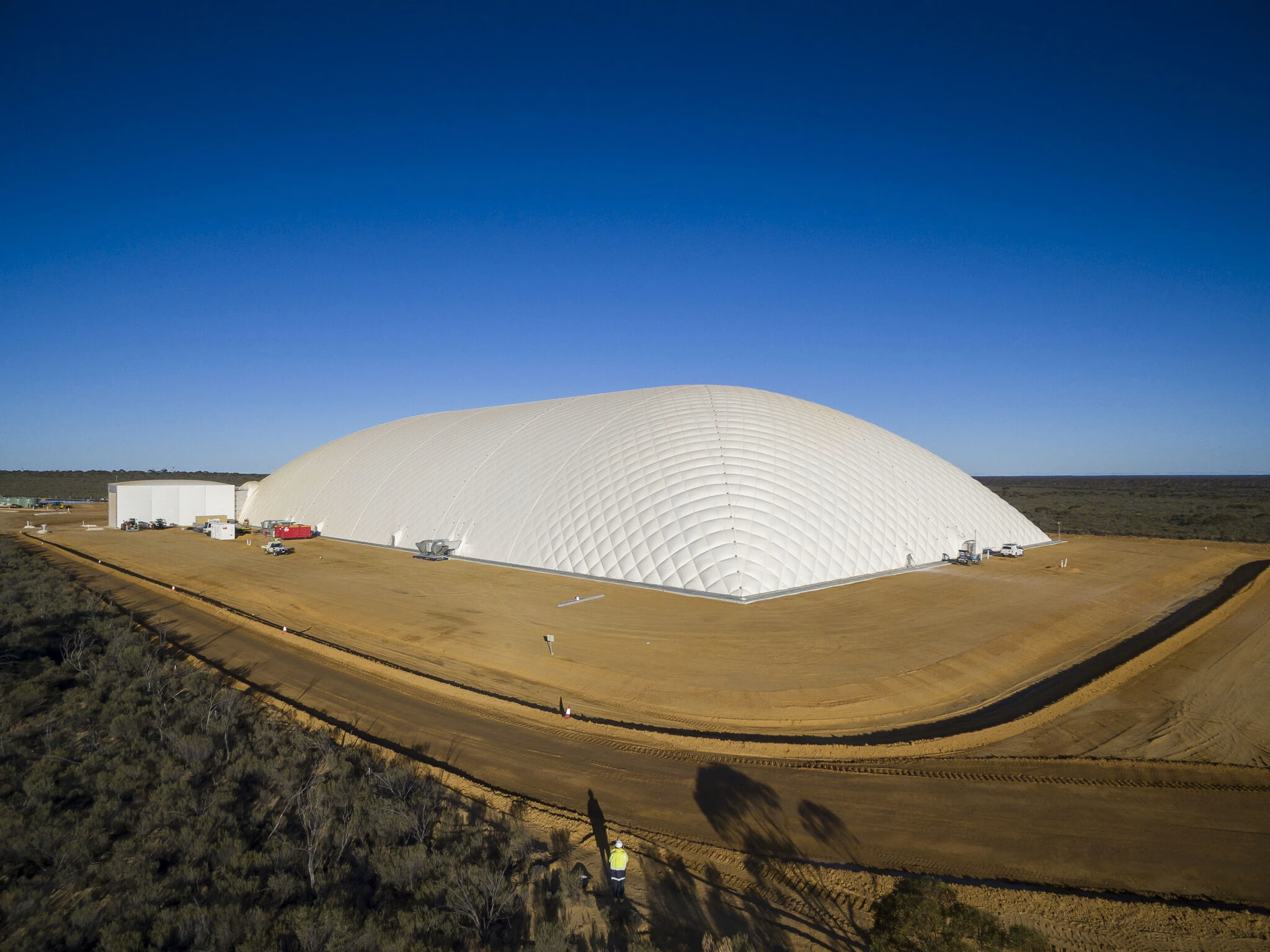
Sandy Ridge was specifically designed and licensed as a modern geological repository: an engineered environmental protection system intended to permanently isolate hazardous materials from the biosphere.
That protection comes from multiple layers working together:
– Stable geology
– Remote location
– Engineered containment systems, which prevent leachate
– Rigorous waste verification and handling protocols
– Long-term monitoring, elimination of liability, and regulatory oversight
The objective is not a short-term fix or temporary storage pending a future solution, but permanent stewardship.
At Tellus, we recognised that Australia needs sovereign capability to manage hazardous and low-level radioactive waste safely within our own borders.
As Australia expands critical minerals processing, industrial manufacturing, energy transition infrastructure and defence capability, that need is only becoming more apparent.
Every advanced economy produces difficult waste streams.
Responsible nations deal with them responsibly. Tellus’ Sandy Ridge means Australia now has that capability.